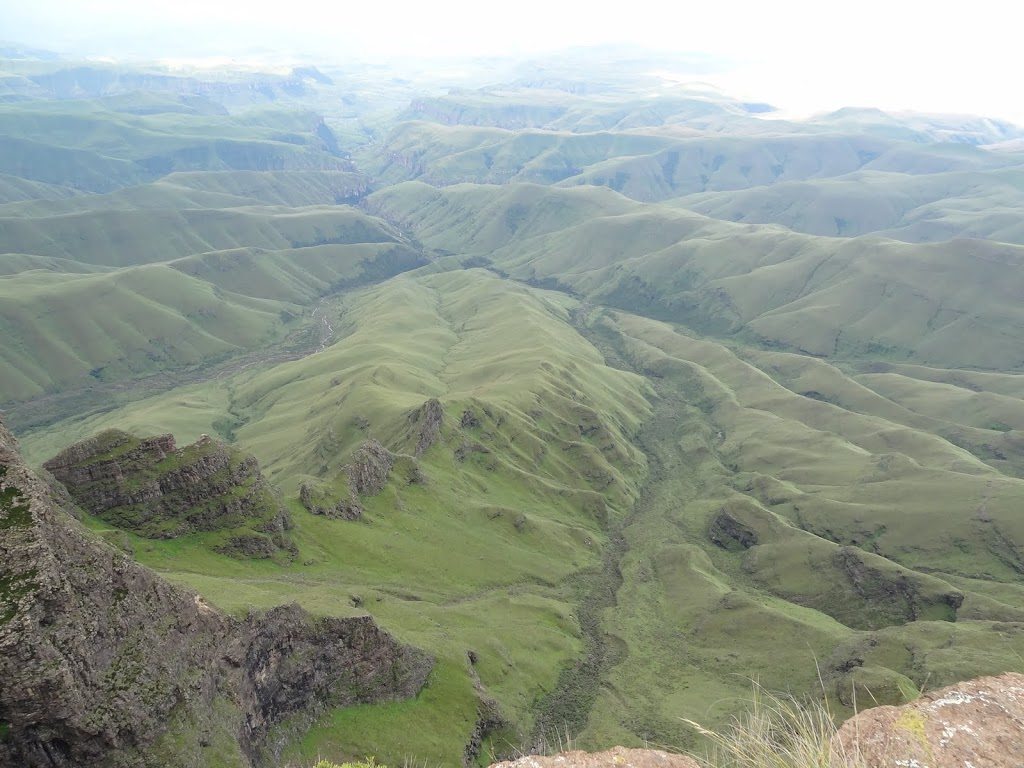
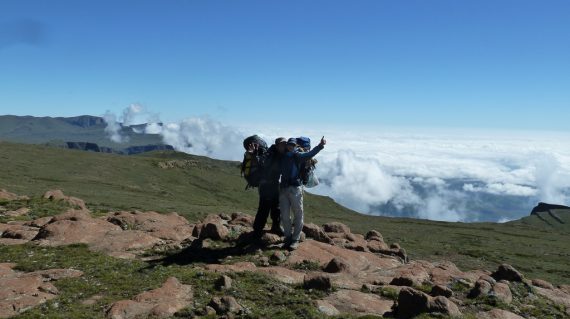
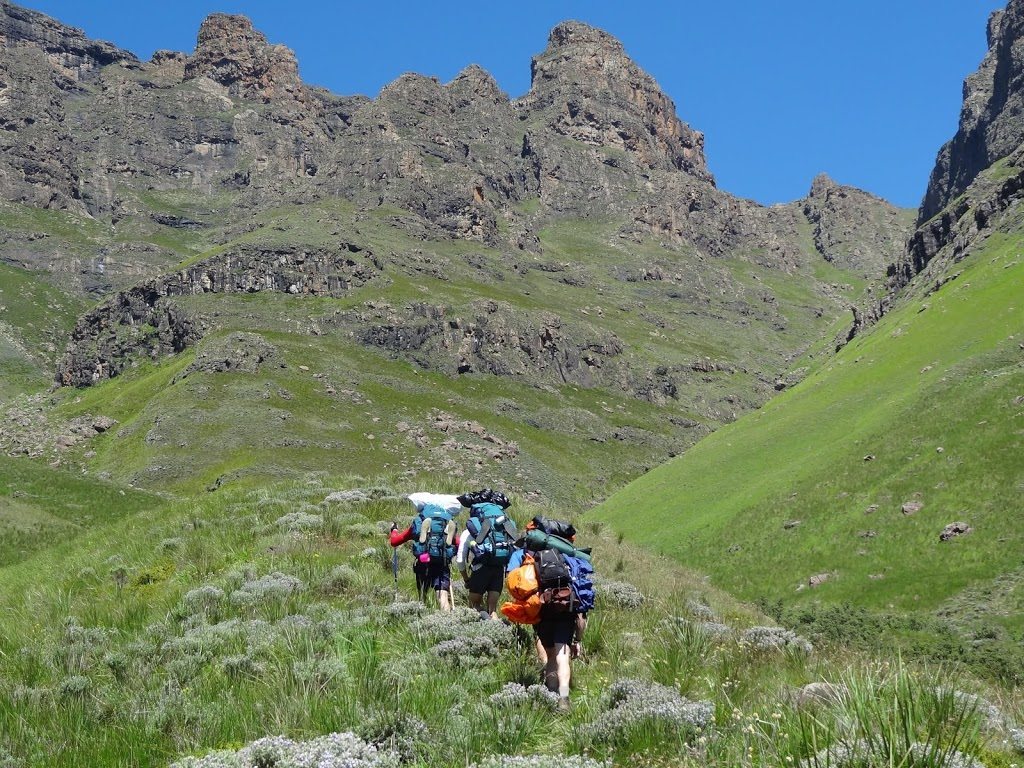
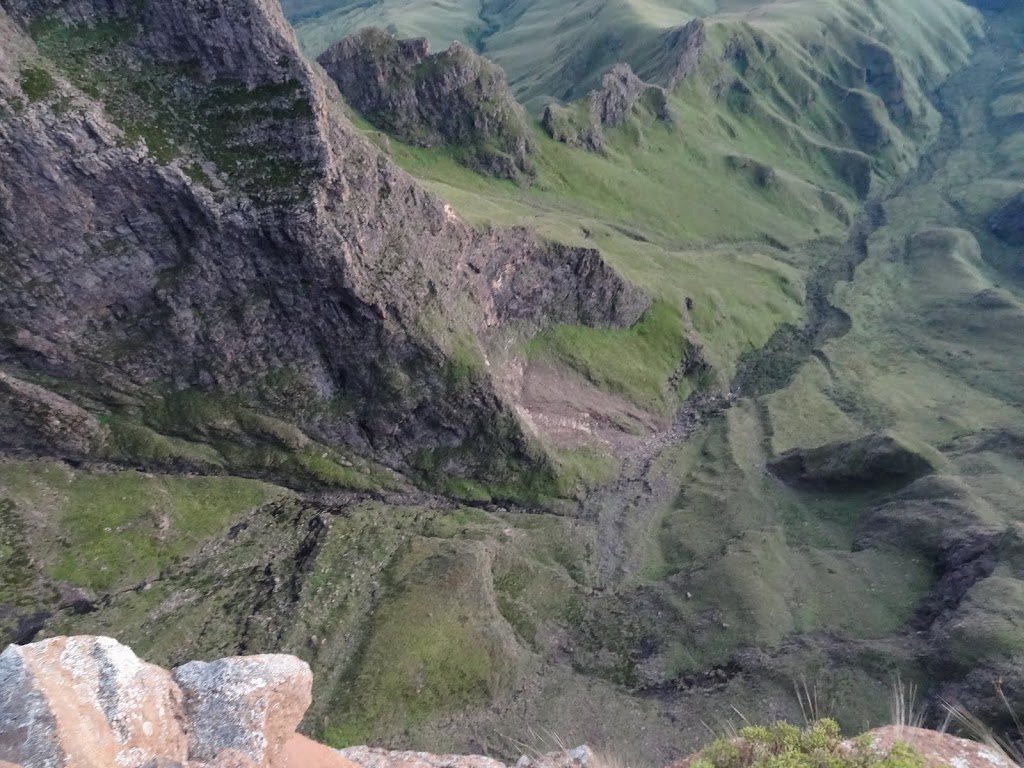
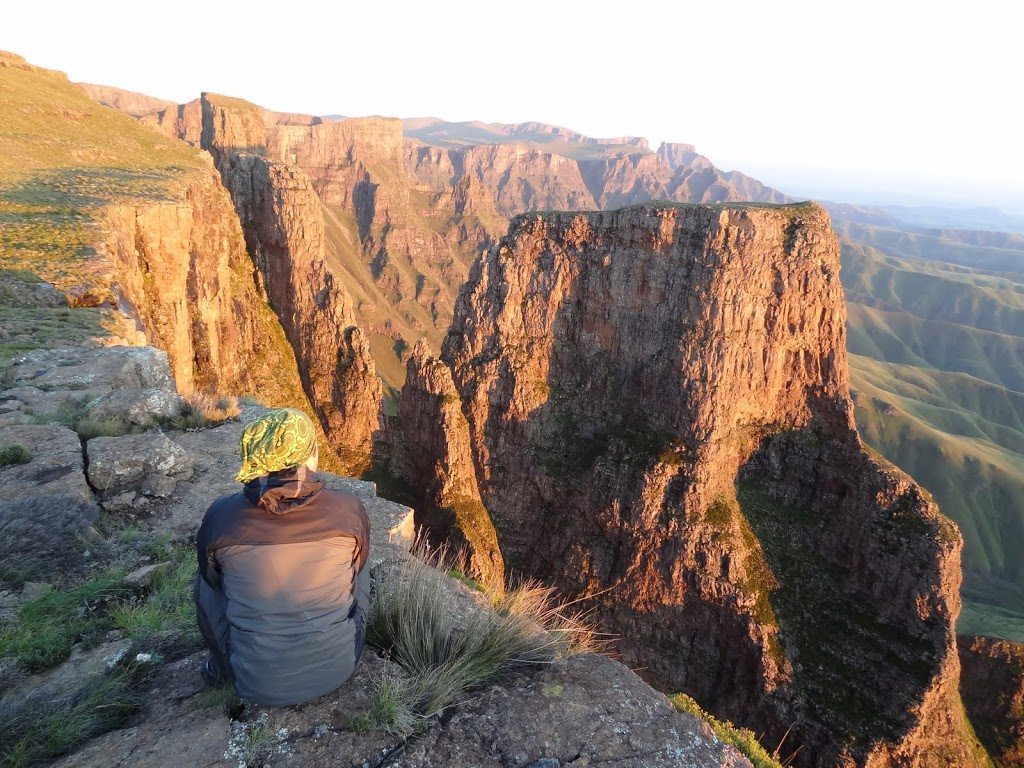
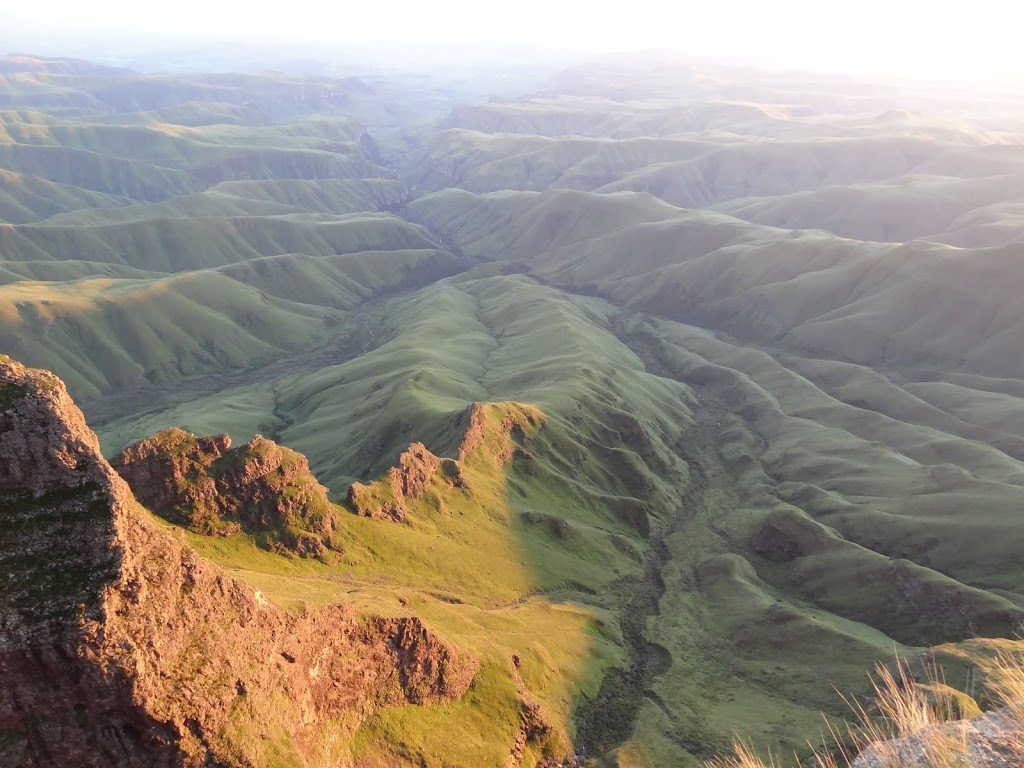
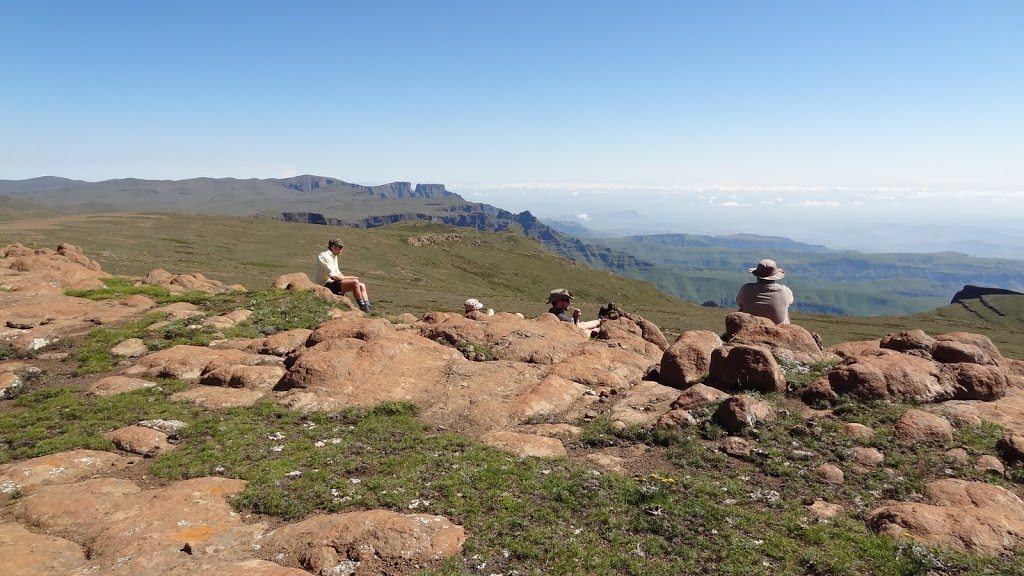
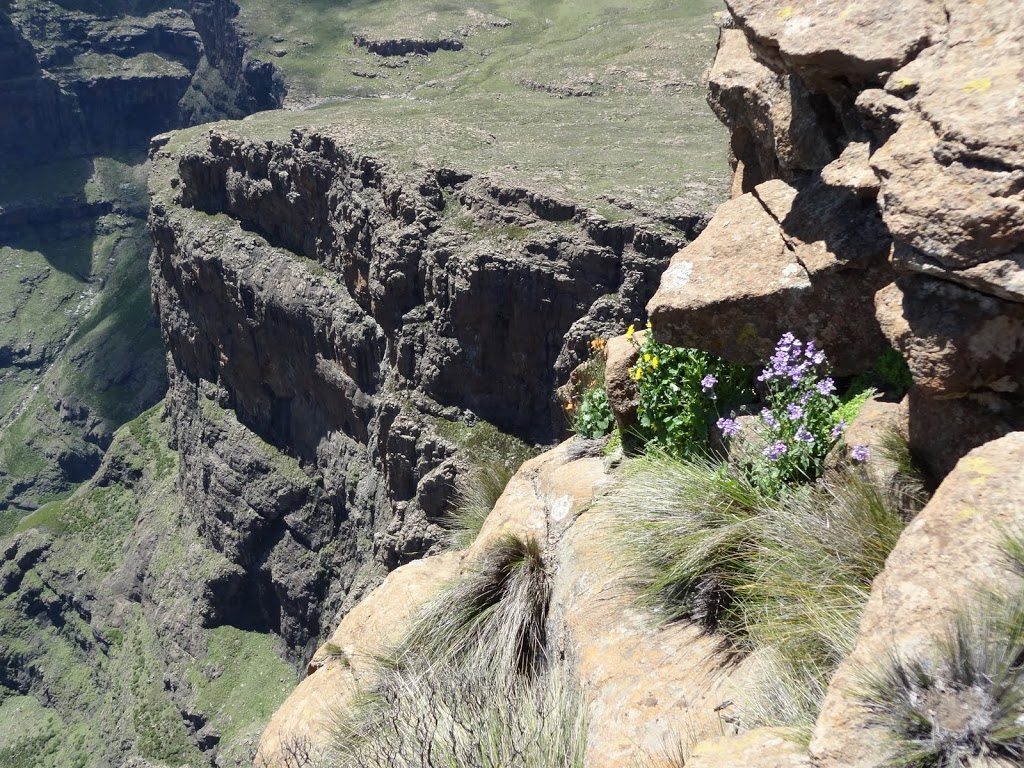
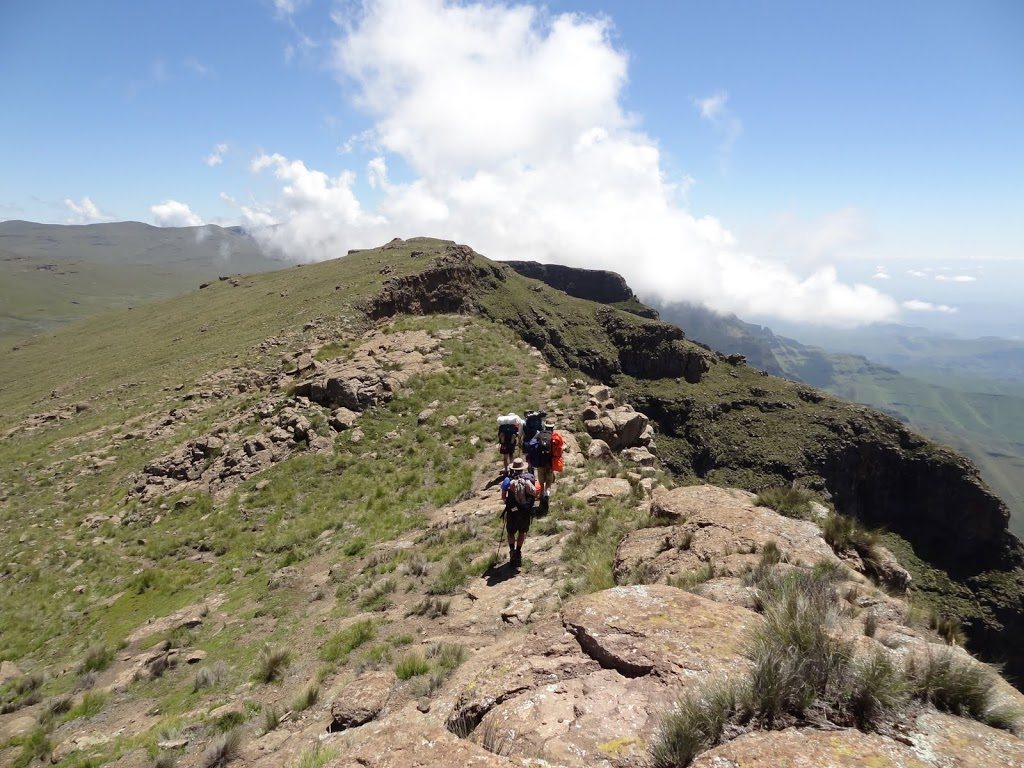
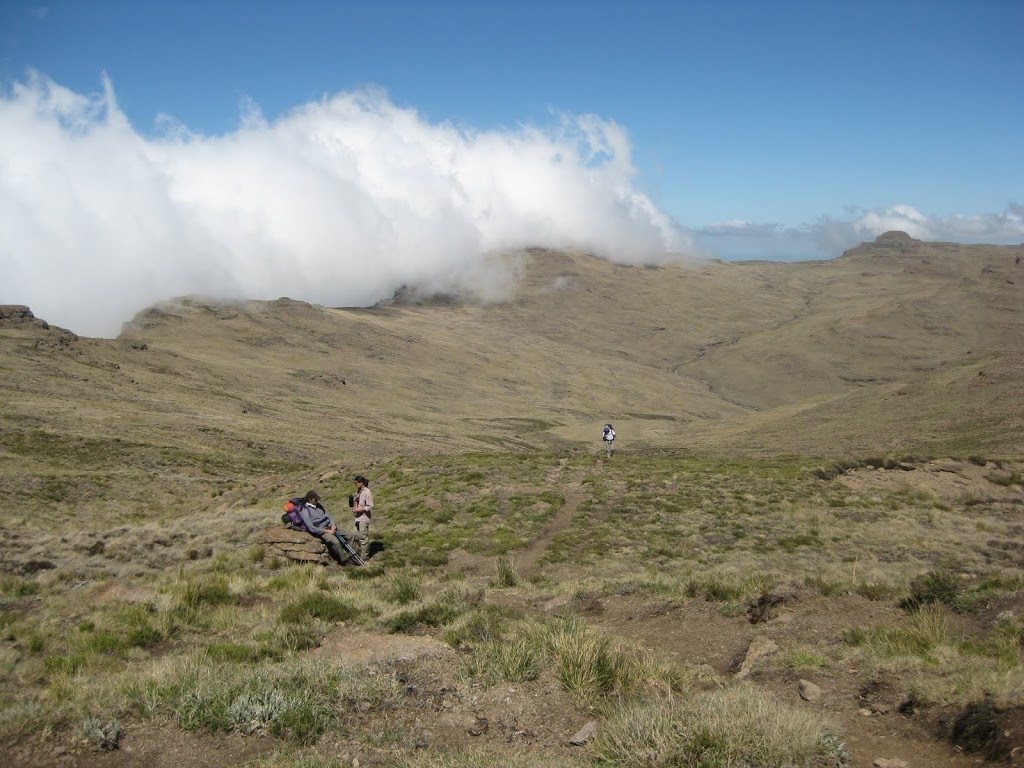
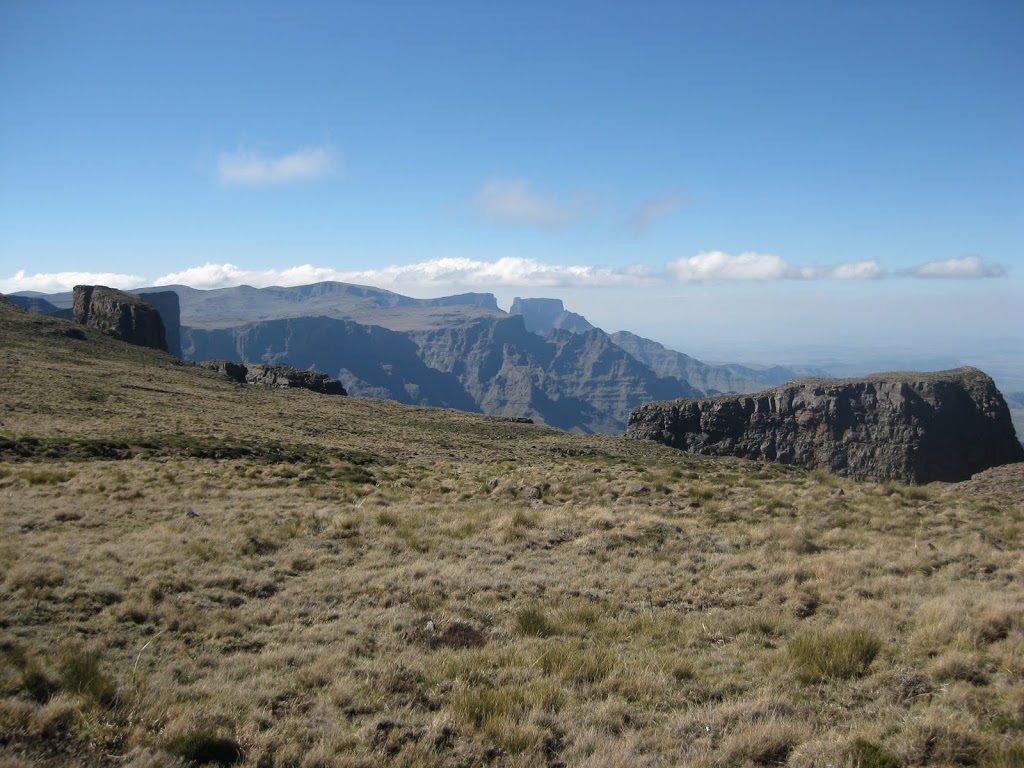
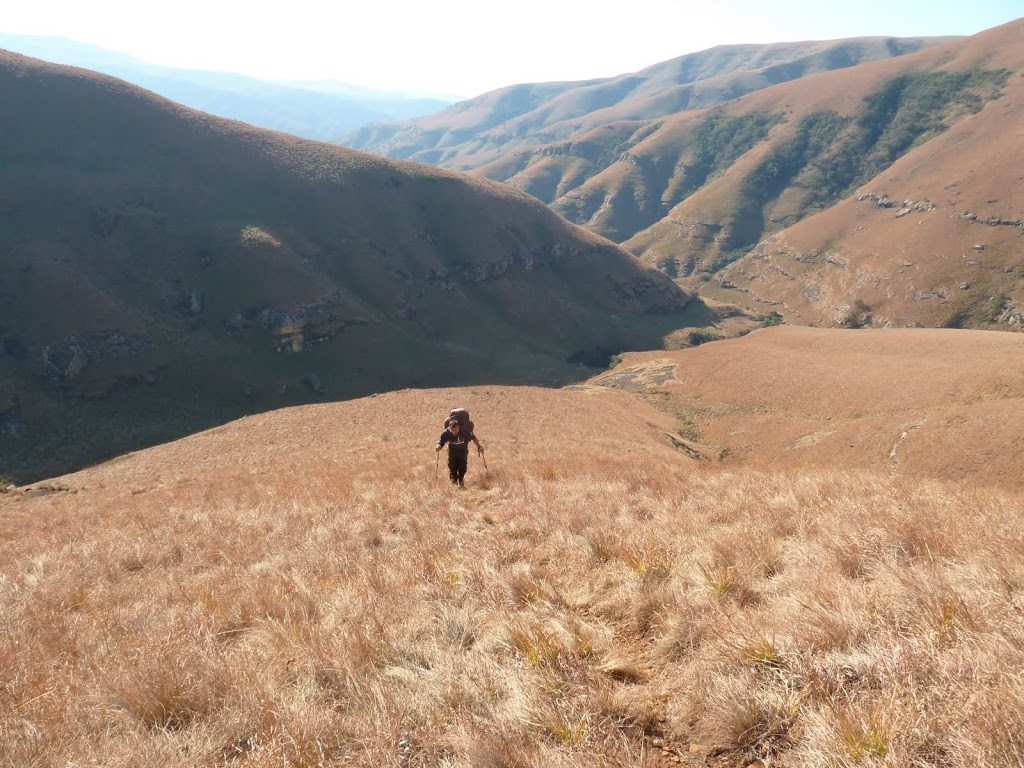
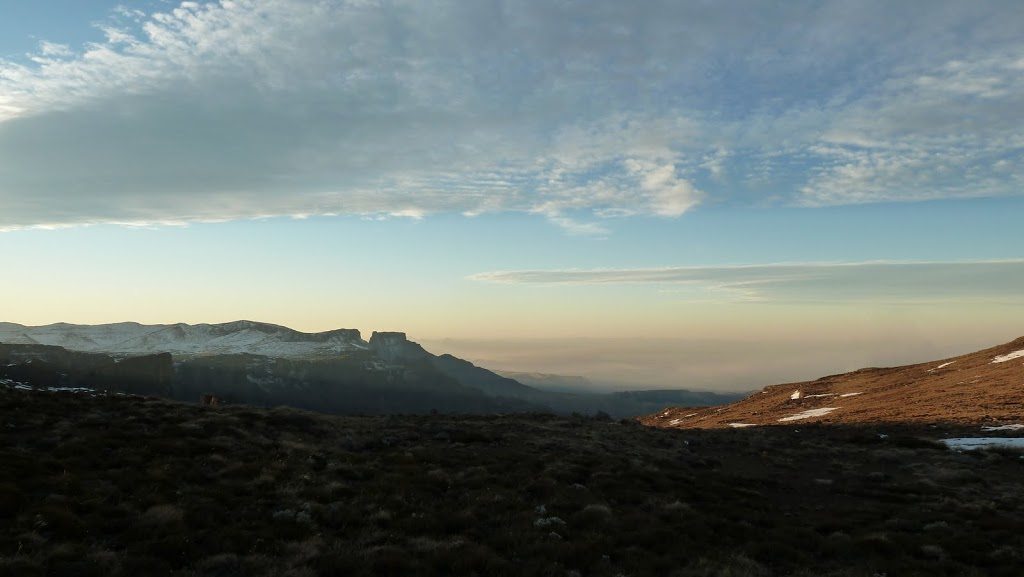
Mafadi, at about 3450 m, is South Africa’s highest summit and a substantial high-mountain objective. Its broad summit dome is only one part of the journey: the approach passes, overnight sites and descent demand most of the planning and effort.
Injisuthi camp-access note — 2 November 2026: MBC Mountain Backpackers Club reports continuing access restrictions following bridge damage and major flood changes around Marble Baths. Confirm camp entry, permits and the condition of this specific route with Ezemvelo KZN Wildlife before travelling. Earlier descriptions and GPS tracks do not establish that a route is currently open or safe. Read our dated flood update.
A four-day framework
An Injisuthi circuit can combine Centenary Hut, a chosen ascending pass, a high overnight site near the Triplets, Mafadi and Leslie’s Pass. Allow around 48 km and 30 walking hours as an initial four-day planning framework, adjusted to the exact line, party and conditions.
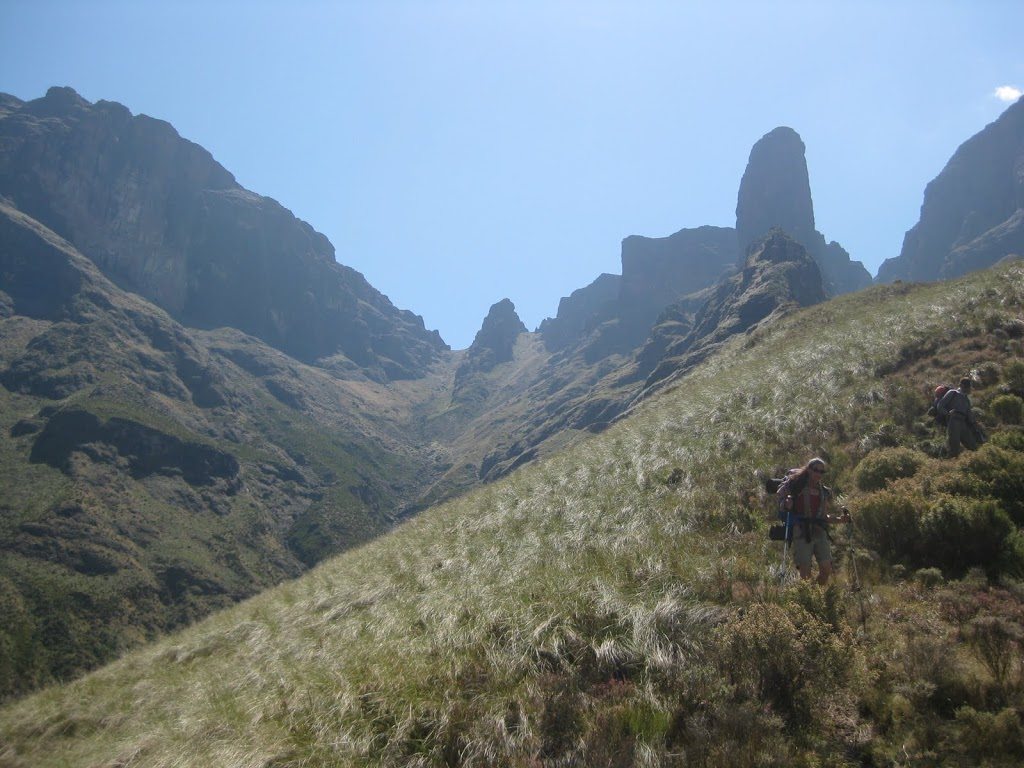
Choose the ascending pass before committing to the itinerary. Corner Pass includes scrambling obstacles and different approach options; Judge Pass has a more established hiking line but adds its own approach and navigation. They cannot be treated as interchangeable turns on the same track.
High camps, caves and the return
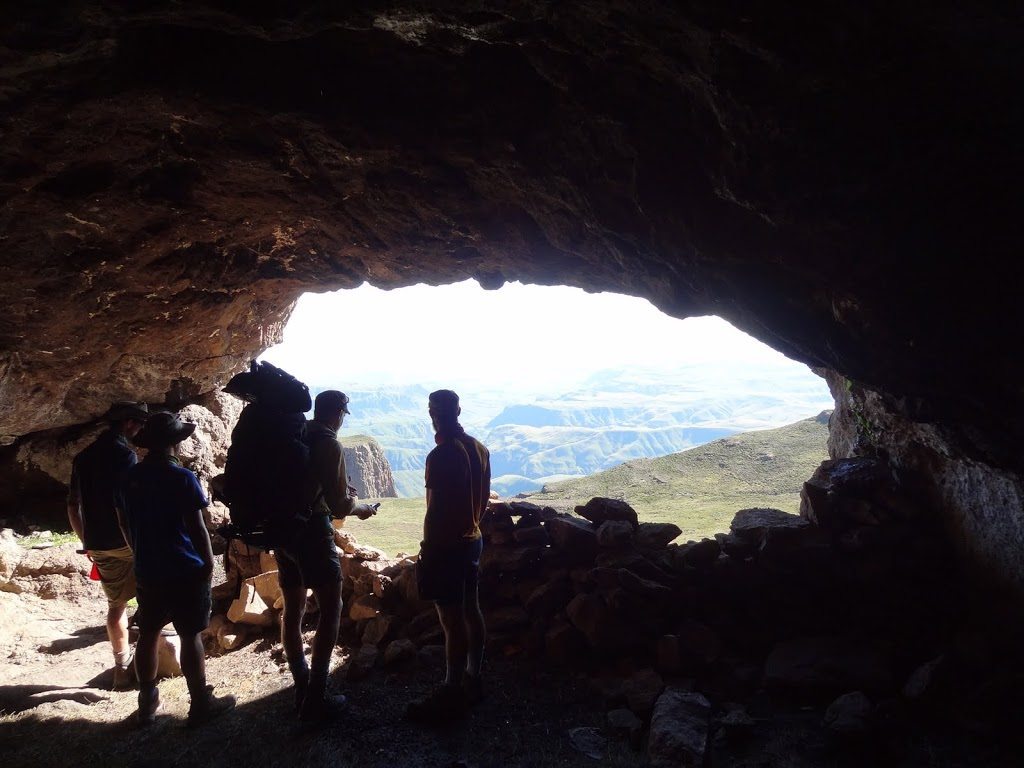
The ascent beyond the pass and the connection to Upper Injisuthi Cave require further climbing and navigation. Arrange cave permissions where applicable, plan water and carry a suitable shelter alternative. A reserved cave may be wet, icy or unsuitable when reached.
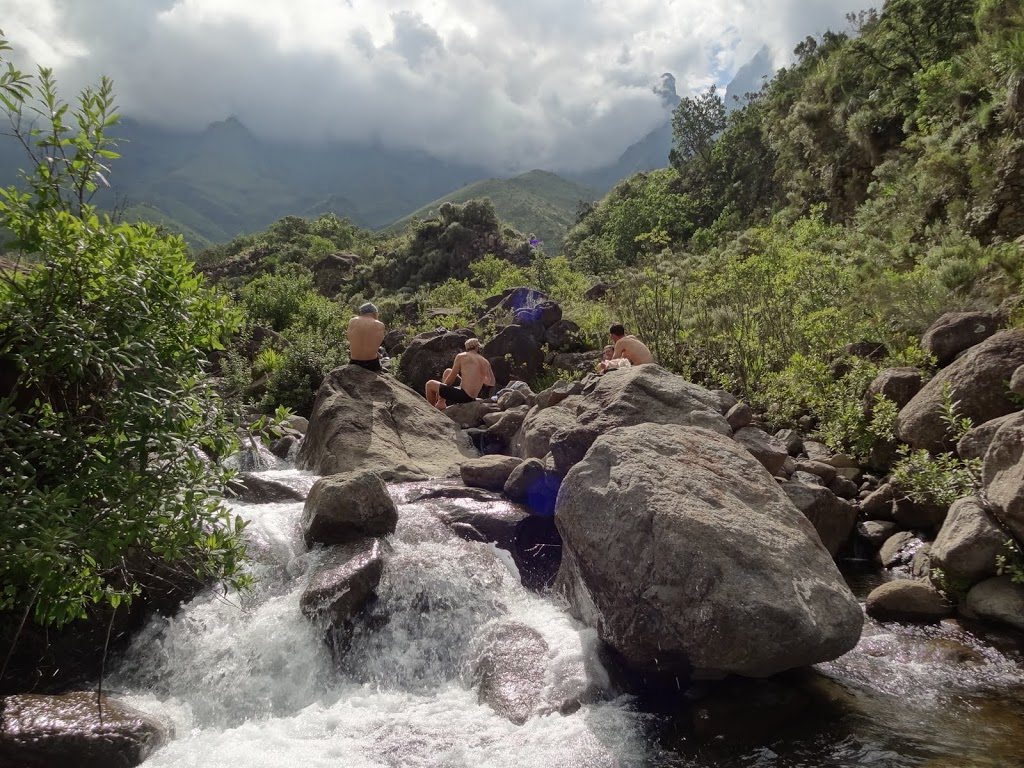
The Leslie’s descent and valley return are serious stages in their own right. The 2026 floods changed Marble Baths and damaged surrounding paths; the old river campsite and swimming pools are not dependable trip features.
Dated terrain report: an October 2026 hiker report describes a broad landslide in the rocky middle section of Leslie’s Pass. Its effect on a through-route needs checking with recent ground reports. Do not assume an older GPX shows a usable line across it.
Understand the two recordings
The Mafadi GPX below is a separate approximately 42.4 km running recording, with ascent and descent of about 2510 m each. It is not an outward-only 42 km approach, and it has not been established here as the exact four-day line described above. Its fast moving time is not a hiking allowance.
The second GPX is a separate ascent of Leslie’s Pass. Neither recording alone supplies a verified present-day route for all four stages, including cave approaches, flood-affected valleys and a safe return.
Agree the complete route, overnight stops and alternatives before leaving. Complete the mountain register, leave an itinerary with someone reliable, and carry independent navigation, suitable shelter, warm and waterproof layers, headlamps, food for delays and water treatment. Check the forecast and save the rescue contacts.
GPS tracks
Separate Mafadi running recording
GPS Track Details
| Track length: |
42.43 km |
| Moving time: |
5:47 |
| Total ascent: |
2511 m |
| Total descent: |
2511 m |
Leslie’s Pass section recording
GPS Track Details
| Track length: |
2.63 km |
| Total ascent: |
968 m |
| Total descent: |
0 m |
Explore the Injisuthi area
Find valley walks, caves and high-mountain routes in our Injisuthi regional guide, with reserve contacts and access information. Establish which parts of your intended trip are permitted before travelling.
Route information reviewed 17 November 2026. This is an editorial review, not confirmation that flood-affected routes have reopened.
Choose the complete route before departure
Confirm camp and bridge access, the intended ascending pass, overnight sites and the Leslie’s valley return with the reserve. The following four-day structure is a planning outline, subject to permission and current ground conditions.
Day 1: Injisuthi to Centenary Hut
The direct hut approach is about 10.5 km, with a steep final climb. Allow roughly 6–7 hours with a loaded pack and stops. Check the building condition and carry independent shelter, water treatment and sleeping equipment.
Day 2: chosen pass and high overnight site
Follow the approach planned for Corner Pass or Judge Pass; their routes and technical demands differ. Allow a full mountain day for the pass and the further ascent to the agreed overnight location near the high Triplets country. Locate the cave or campsite in daylight and collect enough water before the final dry climb.
Day 3: Mafadi and Leslie’s descent
Include the summit visit, high-level navigation and descent in the day’s time allowance. The broad summit does not make the approach or the loose pass straightforward. Assess the reported landslide before choosing Leslie’s as a descent and retain an agreed alternative if the line is unusable.
Day 4: the lower valley and camp return
Allow a full day for route-finding, vegetation, boulders and river crossings below the pass. Do not plan a guaranteed easy seven-kilometre finish or a swim at the former Marble Baths pools. Establish the currently permitted return line, water levels and access arrangements before beginning the trip.
Do not commit to a flooded crossing or improvise a rope crossing without appropriate training and equipment. Turn back or use a pre-planned safe alternative when the route is unsuitable.